




Buying property in Spain: The definitive guide to avoiding the “Expat trap”
 by alicante_apa on 16 December 2025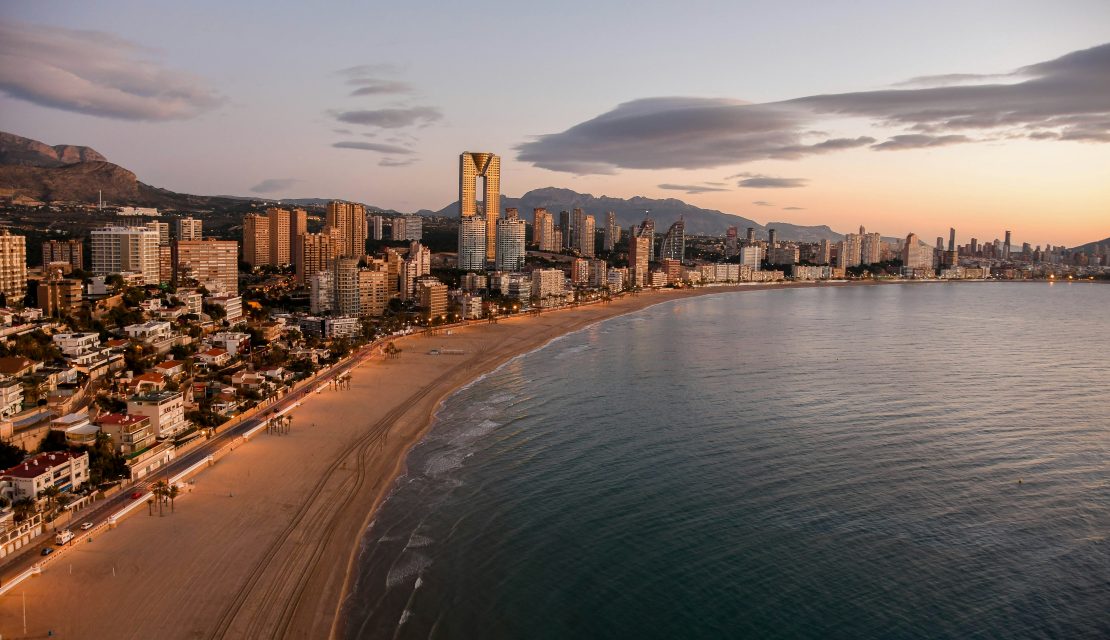
The dream is seductive: a restored finca in Andalusia or a sleek penthouse in Valencia. However, buying property in Spain is often a journey through a beast with two faces. On one side, it offers high quality of life and solid asset appreciation. On the other, it is a labyrinth of bureaucracy, regional tax variances, and legal quirks that can turn a dream home into a financial black hole.
This is not a brochure. This is your operational manual. Here is how to navigate the Spanish real estate jungle with the precision of a local investor.
Phase 1: The administrative bedrock
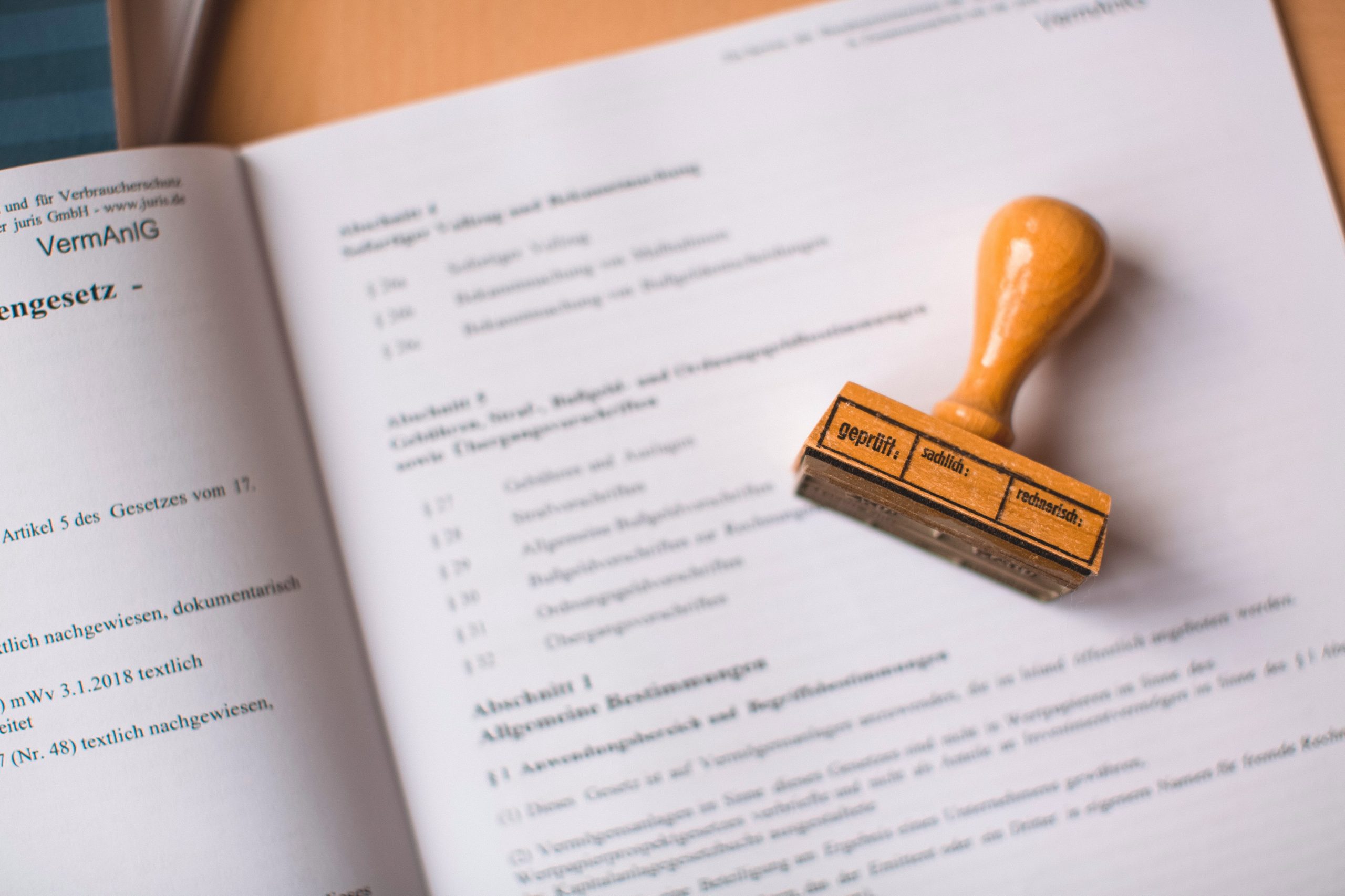
You cannot buy a house in Spain with just a passport and enthusiasm. You need to exist in the system before you bid.
1. The NIE: Your financial oxygen The Número de Identificación de Extranjero (NIE) is mandatory. Without it, you cannot sign a deed, open a utility contract, or even buy a car.
- The bottleneck: Obtaining an NIE can take weeks or months depending on the province.
- Pro strategy: Do not wait until you find the house. Apply for the NIE at the Spanish consulate in your home country before you even book your flight to view properties.
2. Banking: The “clean” money trail While EU laws allow you to transfer funds from abroad, Spanish Notaries are obsessed with anti-money laundering (AML) compliance.
- The reality: You will likely need to issue a bank cheque (cheque bancario) to hand over at the signing. Doing this from a non-Spanish bank is a logistical nightmare. Open a resident or non-resident account locally to streamline the final mile.
Phase 2: Costs of Buying Property in Spain
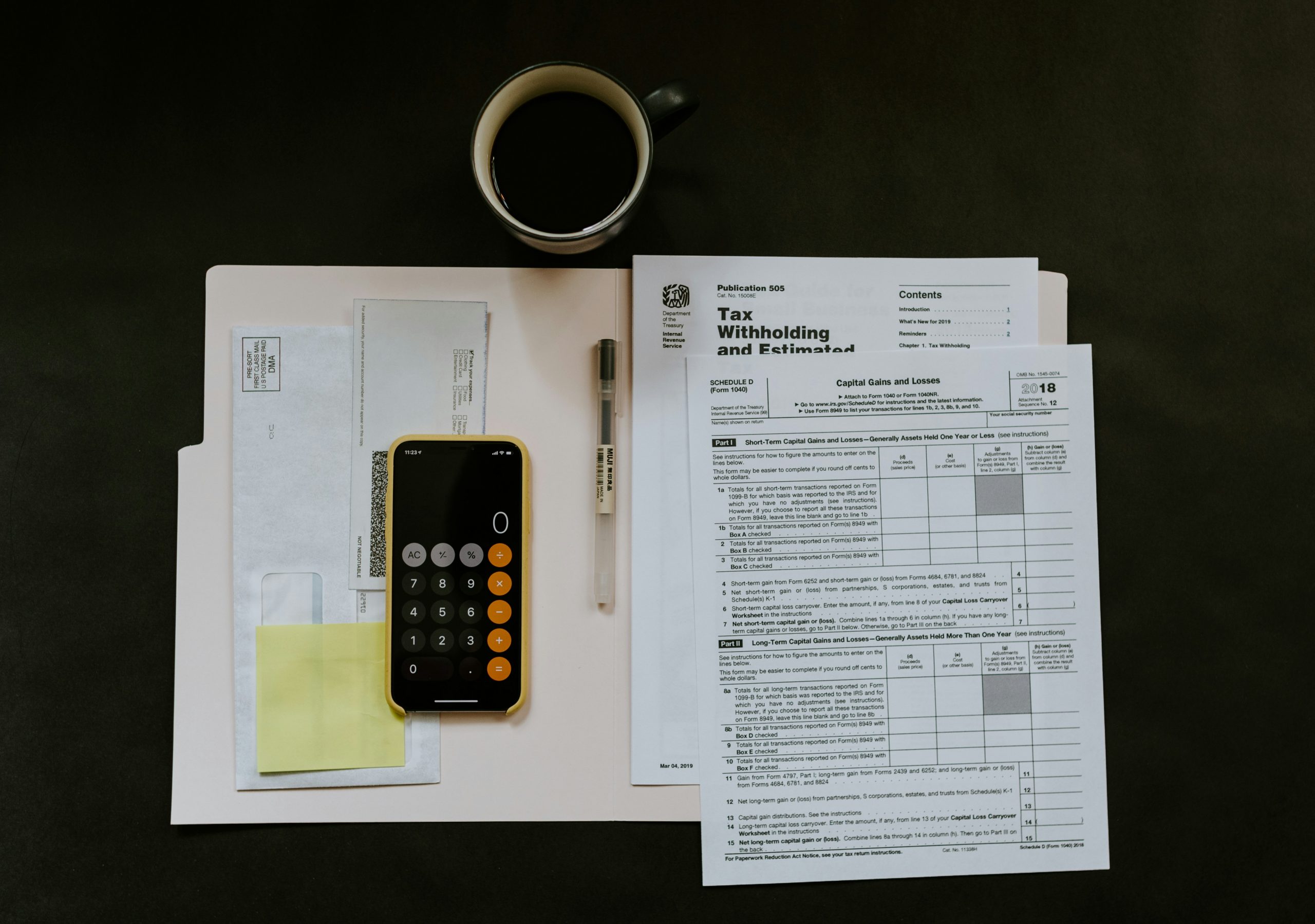
If a villa is listed at €500,000, that is not what you will pay. The transaction costs in Spain are among the highest in Europe. If you don’t budget for the “hidden” 12%, your deal will collapse.
1. The tax divide: New vs. Resale
- Resale properties (Second-hand): You pay ITP (Transfer Tax). This is regional. In Madrid, it might be 6%; in the Valencian Community or Catalonia, it hits 10%.
- New developments: You pay IVA (VAT) which is flat at 10%, PLUS a Stamp Duty (AJD) which varies by region (usually 1.5%).
- The extra layer: Add Notary fees, Land Registry fees, and legal fees.
- The bottom line: Always have 12-13% cash liquidity above the asking price. Banks generally do not finance these taxes.
Phase 3: Due diligence – Where dreams die
This is the most critical section of this guide. In Spain, debts attach to the property, not the person.
1. The DNA test: Nota simple Never trust a seller’s word. Demand the Nota Simple from the Land Registry immediately. It reveals:
- Ownership: Is the seller actually the sole owner? (Inheritance disputes are common).
- Loads (Cargas): Are there unpaid mortgages, tax liens, or embargoes?
- Classification: Is the land Urbano (you can build/renovate) or Rústico (highly restricted)?
2. The “Illegal Pool” syndrome Thousands of rural houses in Spain have illegal extensions—a pool, a garage, or a guest house built without a license.
- The risk: If you buy it, the local Town Hall can fine you or demand demolition.
- The fix: Your lawyer must request a Certificado de No Infracción Urbanística to prove there are no open files against the property.
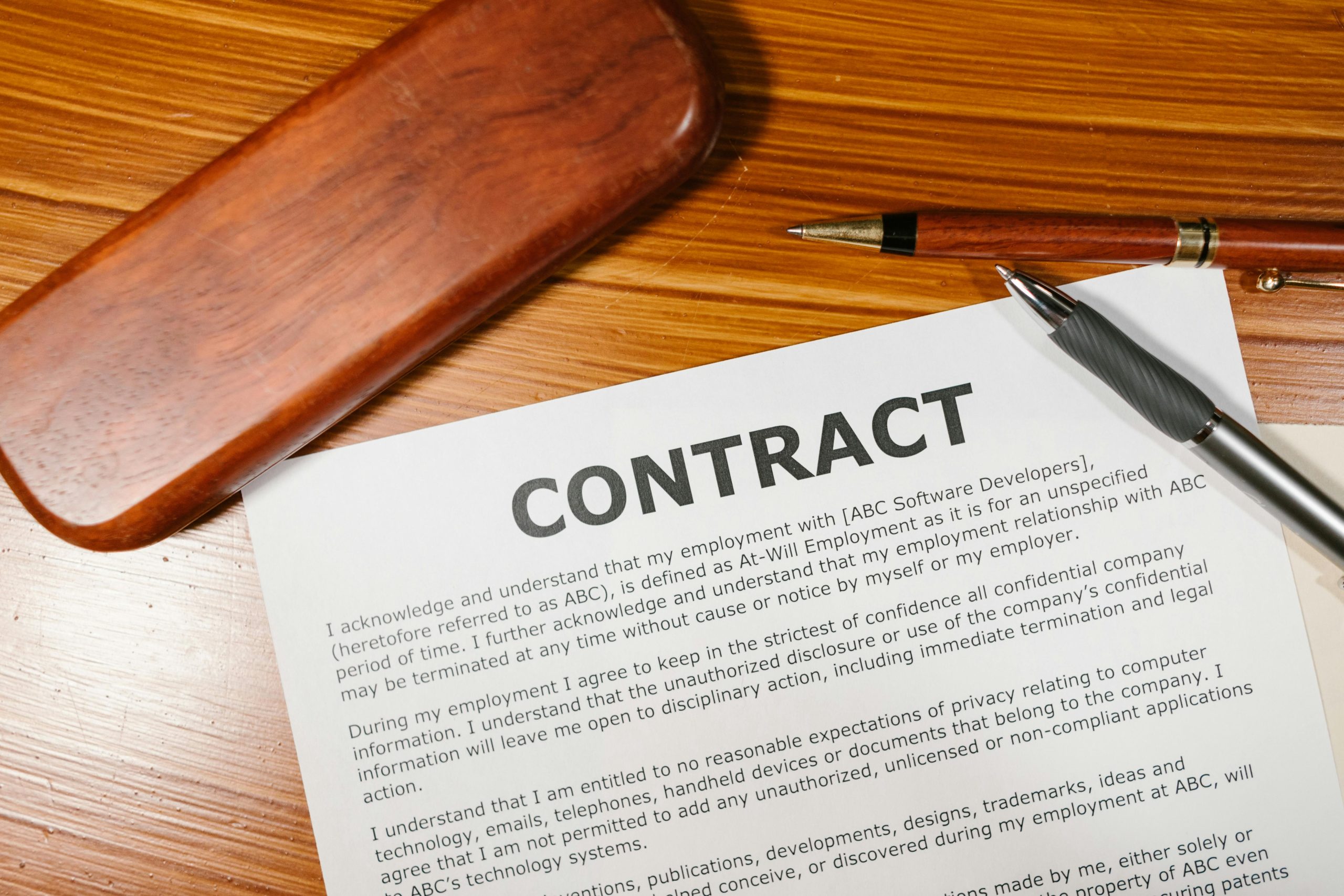
Phase 4: Final steps in buying property in Spain
Once you are satisfied, you move to the contract.
1. The “Arras” contract This is the private purchase contract where you typically pay 10%. But ensure it is an arras penitenciales.
- Why it matters: Under this specific clause, if the seller backs out (perhaps for a higher offer), they must pay you back double your deposit. It locks them in effectively.
2. The notary: The official referee The final signature happens before a Public Notary.
- Myth buster: The Notary is not your lawyer. They verify identity and taxes, not the structural integrity of the house or the fairness of the price.
- The moment of truth: You sign the Escritura Pública, hand over the bank cheques, and receive the keys. You are now the owner.

Summary: The golden rule
Spain is a safe country to invest in, provided you respect its complexity. The market punishes assumption and rewards preparation. Secure your NIE early, audit the property’s legal status aggressively, and never sign a document you haven’t read in your own language.








Hi, this is a comment.
To get started with moderating, editing, and deleting comments, please visit the Comments screen in the dashboard.
Commenter avatars come from Gravatar.